Retaining wall repairs in Logan
Updated October 2026
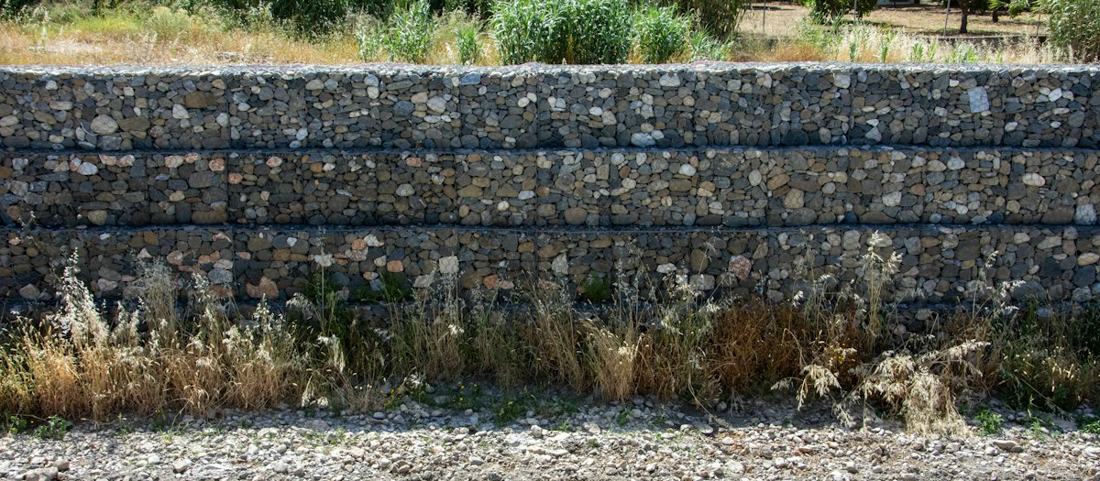
Logan has a repair problem with a date on it. The hilly north-eastern belt, at Daisy Hill, Rochedale South, Cornubia, Shailer Park, Springwood, Underwood, Mount Warren Park and Forestdale, was built out through the 1980s and 1990s with larger brick-and-tile homes on bigger, sloping blocks. Almost all of them came with a timber sleeper wall somewhere, and timber sleeper walls last 15 to 25 years when they are drained properly. Those walls are now around 30 years old. The ones that were built cheaply are the ones leaning now, and they are failing in the same decade across a whole belt of suburbs.
If your wall is leaning, bowing, cracking or shedding sleepers, you need an honest assessment before you need anything else. We connect you with experienced, insured local builders who do retaining wall repairs across Logan and who will tell you straight whether a wall is worth saving.
If the wall has moved suddenly or looks like it could come down, go to our leaning or collapsed wall page first and keep people clear of it.
The usual suspects
Repairable problems tend to fall into a few groups.
Leaning or bowing. The wall has rotated or bellied under soil pressure, almost always because water built up behind it. If the movement is minor and the structure is sound, options include relieving the load, adding drainage and in some cases anchoring or propping. If posts have snapped or rotated in the ground, repair becomes replacement.
Rot, termites and rust. Timber walls rot at ground level where moisture sits, and in this climate they can be eaten as well. Old steel posts rust through at the same point. Individual sleepers can be swapped if the posts are good. Rotten posts cannot be patched honestly.
Cracking. Block and masonry walls crack when footings move or water pressure builds. Hairline cracks can be monitored. Stepped or widening cracks need a professional look, and a crack that opens and closes with the seasons is telling you about the footing rather than the blocks.
Drainage failure. Blocked or missing ag-pipe, no weep holes, soggy soil at the base a week after rain. Fixing the drainage is often the single best repair you can buy, and it is covered in detail on our retaining wall drainage page.
Soil escaping through the face. Fine material washing out through gaps between sleepers or around a poorly bedded footing, so the ground behind the wall slumps while the wall itself still looks straight. The fix is geotextile fabric, used to hold the soil in rather than to keep the gravel clean.
Two different repair markets
The established hilly belt is the age story above: 1980s and 1990s walls at the end of their design life, mostly timber, mostly on sloping back yards, mostly on blocks where machinery access got worse every year as fences, sheds and pools went in. The honest answer on a lot of these is replacement rather than repair, and the money question is which material to replace with.
The growth front is a different conversation. At Yarrabilba, Flagstone, Logan Reserve, Park Ridge and the hills at Bahrs Scrub and Windaroo, the walls are young. A 10 year old wall that is already moving has not worn out, it was built short of what the block needed, usually on drainage, sometimes on footing depth, sometimes because a shed, driveway or pool went in above it afterwards and added surcharge loading nobody designed for. Those walls are often genuinely repairable, and the repair that works is the one that fixes the original shortfall.
Repair or replace, honestly
A good builder makes this call on structure, not sentiment. Rough rules of thumb: if the posts or footings are sound and the lean is small and stable, repair is on the table. If posts are rotted, snapped or heaving out of the ground, if the lean is visibly growing, or if the wall is past 20 to 25 years old and failing in several places, replacement usually costs less than a chain of repairs. The builders we refer quote both paths where both are genuine options, so you can compare. Replacement options are covered under concrete sleeper walls and timber retaining walls.
Pricing, approvals and licensing
Repair pricing varies too much by condition for a useful per-metre figure, which is why quotes are free. For replacements, see the retaining wall cost guide for guide ranges by material.
Then there is the thing most people miss on a replacement, and it is the reason a straight swap is not always a straight swap. Logan City Council publishes its own criteria. A retaining wall up to 1 metre high from natural ground level is accepted building work provided no loads are imposed above it, such as a building, a structure or a driveway. Approval is required where the total height of the wall and of the fill or cut retained by the wall is greater than 1 metre, where retaining walls are constructed closer than 1.5 metres to any other building or other retaining wall regardless of the height of the walls, or where there is surcharge loading over the zone of influence for the wall.
Walls built decades ago were not necessarily built to that, and replacing one in the same position can bring the proximity trigger into play on a wall nobody ever certified. The rules behind the criteria sit in the Building Regulation 2021, and Logan City Council and private building certifiers apply them. Queensland separately requires a QBCC licensed contractor for building work valued over $3,300, which is a licensing rule, not a height rule, so ask for the licence number and check it on the QBCC register. The council's criteria document is undated on its face and councils revise this material, so confirm your own job with Logan City Council or a private building certifier before any rebuild. Before any digging, your builder should lodge a free Before You Dig Australia (BYDA) enquiry to locate underground services.
If the block is steep, pull Logan City Council's property report for your address as well. Parts of Logan sit inside the Logan Planning Scheme 2015 landslide hazard and steep slope area overlay, with the trigger mapped on slope, and the council's own property report shows it as landslide at or above 15 per cent slope. The mapping is parcel by parcel rather than suburb by suburb, so the report is the only way to know, and a block inside the overlay changes what the council will accept.
How the referral works
Logan Retaining Walls is a referral service. Describe the wall and what it is doing through the form, photos help, and we pass it to an experienced, insured local builder who works your suburb. They assess it, tell you whether it is a repair or a replacement, and quote for free with no obligation.
Frequently asked questions
My wall is leaning. Is it dangerous?
It can be. A slow historic lean that has not changed in years is different from fresh movement after rain. If the lean is new, growing or above head height near paths or cars, keep people away from the base and get it assessed quickly. See our leaning or collapsed wall page.
Can one section of a wall be replaced?
Often, yes, especially on post-and-sleeper walls where a bay at a time can be rebuilt. On masonry walls partial rebuilds depend on how the footing is performing across the whole run.
Why are so many walls in the same suburb failing at once?
Because they went up at once. The hilly belt from Daisy Hill through Springwood, Shailer Park and Cornubia was built out across a couple of decades to similar designs, and treated pine has a design life. Thirty years in, a whole street reaches the same point together.
Does replacing an old wall need approval?
It can, even where the old wall never had one. Work it through against Logan City Council's published criteria, including approval where a wall is constructed closer than 1.5 metres to any other building or retaining wall regardless of height. Those rules sit in the Building Regulation 2021, applied by the council and private building certifiers. Confirm with the council or a private building certifier before the rebuild.
Will insurance cover a failed retaining wall?
It depends on your policy and the cause, and many policies treat gradual movement differently from storm damage. Photograph the wall and any sudden change, and talk to your insurer before demolition starts.
Who is responsible for a boundary retaining wall?
It usually depends on who benefits from the wall and the history of the land, and on an estate boundary where the wall was built by the developer it can be genuinely murky. Document the wall's condition, talk to your neighbour early, and get advice from Logan City Council or a legal adviser if you cannot agree.